October 2, 2026
Choosing the right fence material is an important part of improving a home's privacy, security, and outdoor appearance. A well-planned fence can define property boundaries, create a safer space for children and pets, and complement the existing landscape. However, different materials offer different advantages in terms of durability, maintenance, cost, and design flexibility. Homeowners considering residential fence services should evaluate how each option will perform under local weather conditions and daily use. Some materials provide a traditional appearance, while others prioritize strength, affordability, or minimal upkeep. The best choice also depends on the property's layout, the desired level of privacy, and any neighborhood or municipal requirements. Understanding these differences before installation can help homeowners make practical decisions that support their long-term goals. By comparing common fencing materials, property owners can identify an option that meets their needs and fits their budget.
Comparing the Benefits of Wood Fencing
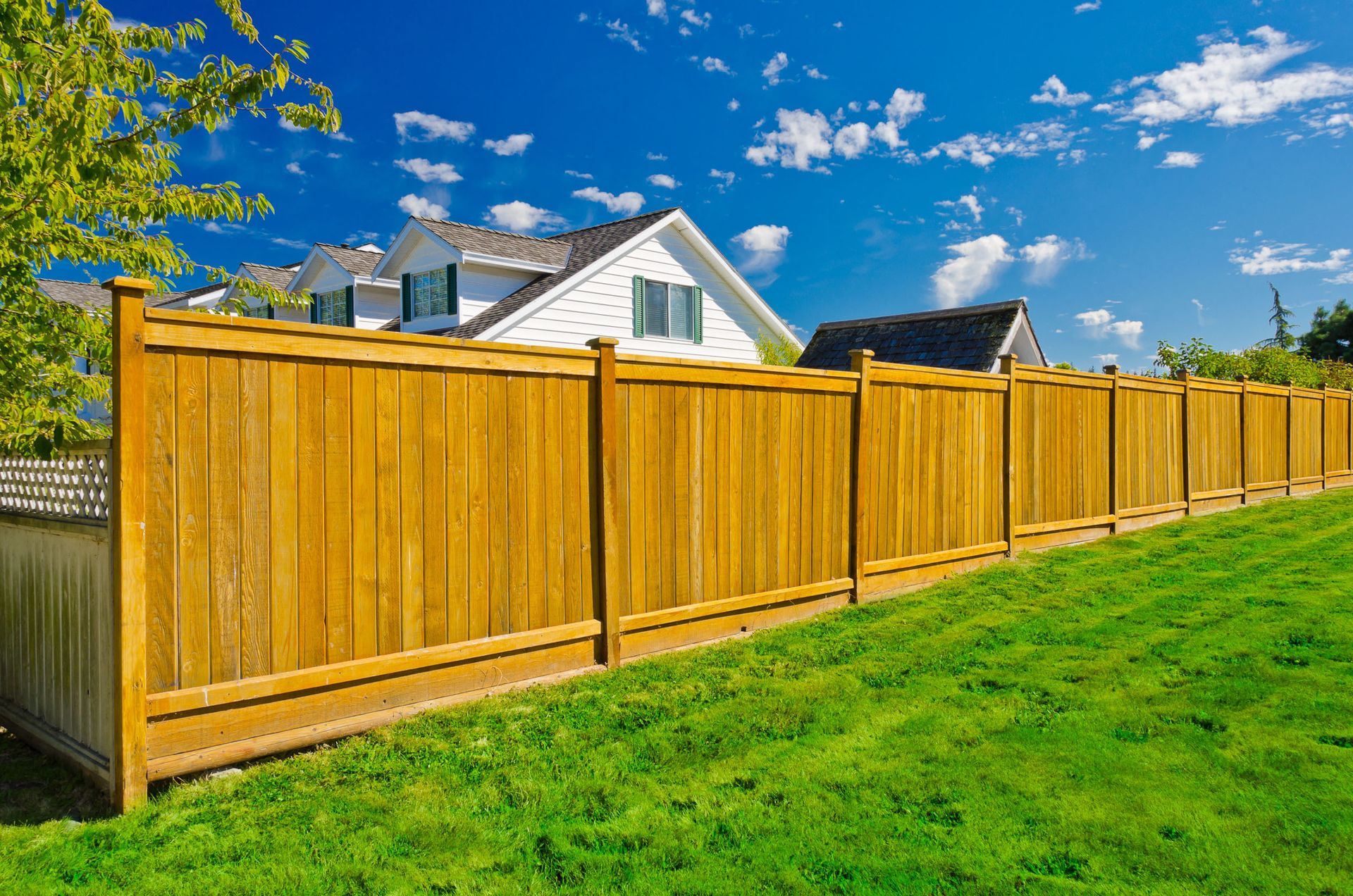
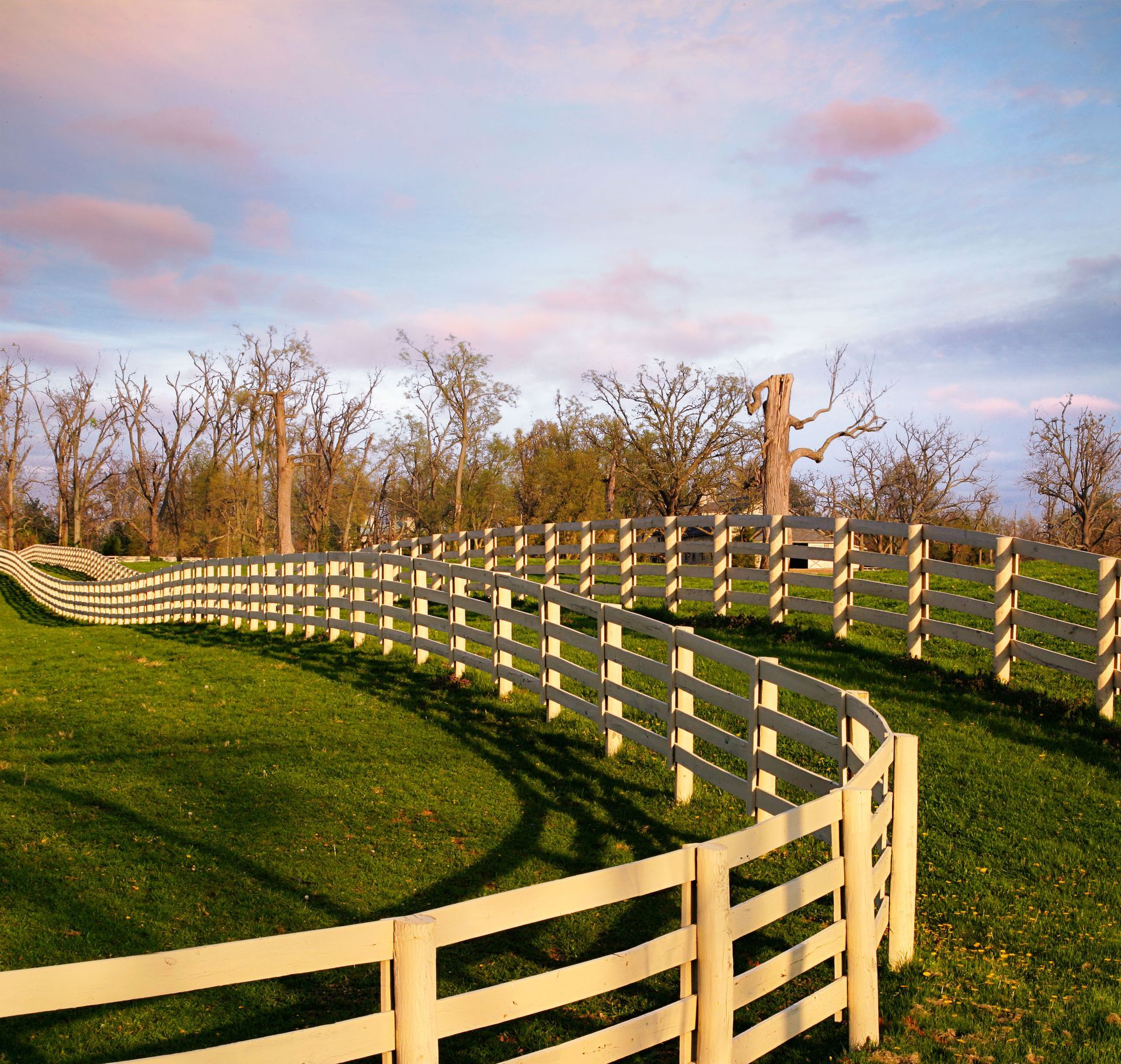
Wood fencing remains a popular choice for homeowners who want a natural appearance and flexible design options. Its traditional look complements many architectural styles, from classic suburban houses to contemporary properties with landscaped yards. Homeowners can choose from different wood species, board arrangements, heights, and finishes creating a fence that suits their preferences. Solid wood panels can provide substantial privacy, making them useful for backyards, patios, and outdoor entertainment areas. Wood can also be painted or stained to coordinate with exterior colors and surrounding features. However, exposure to moisture, sunlight, insects, and temperature changes can cause deterioration over time. Regular staining, sealing, inspections, and occasional board replacement help maintain its condition. Professional residential fence services can help homeowners select appropriate wood materials and installation methods based on their property's layout, privacy requirements, and maintenance expectations.
Evaluating the Durability of Vinyl Fencing
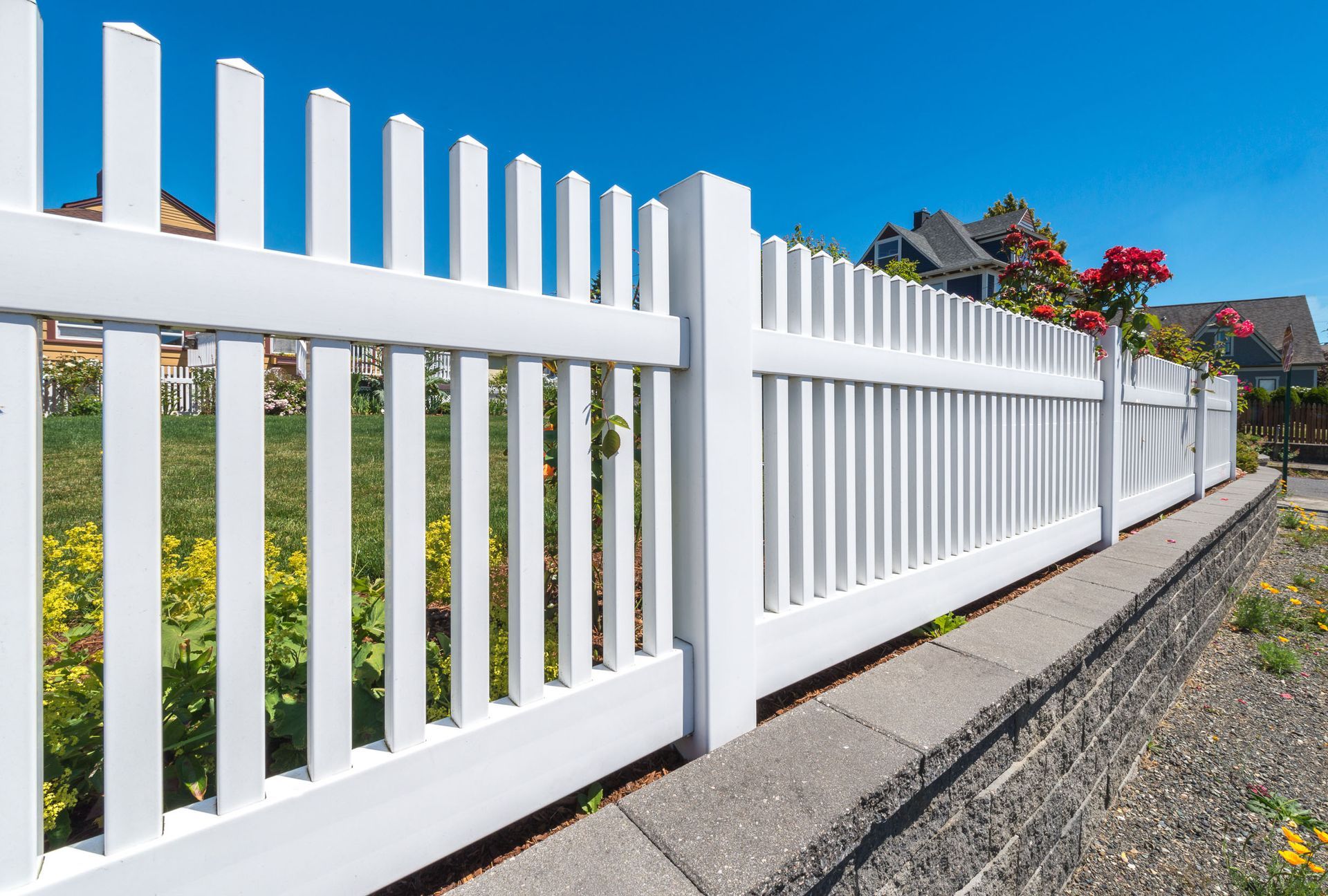
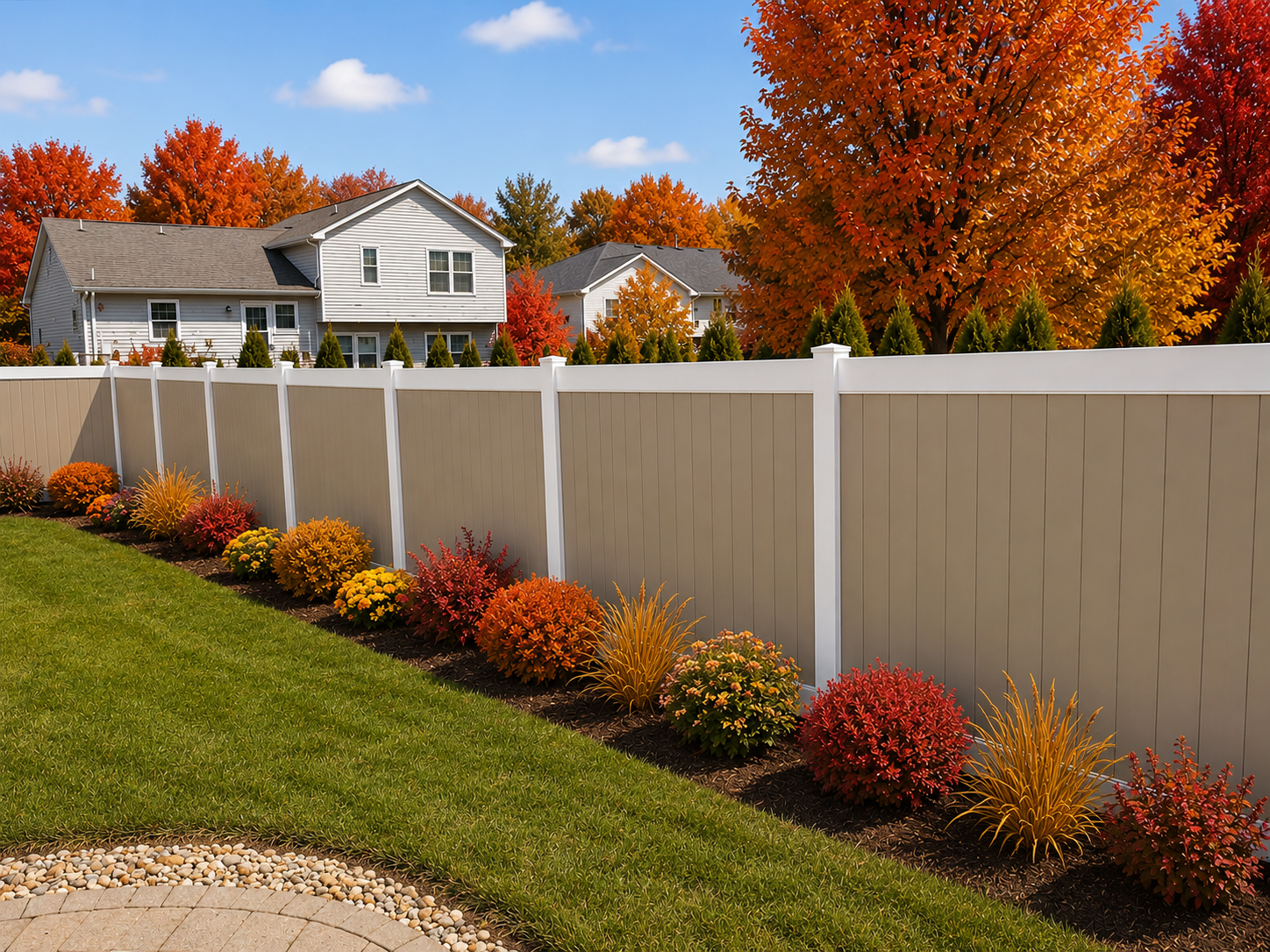
Vinyl fencing offers an alternative for homeowners who prefer a consistent appearance without the routine painting or staining associated with many wood fences. Manufactured from durable plastic materials, vinyl fencing is available in privacy panels, picket styles, decorative designs, and several color options. Its smooth surface is generally easy to clean with water and an appropriate cleaning solution. Vinyl does not rust, and it is not susceptible to the same type of insect damage that affects wood. However, the material can become brittle under certain conditions, and impacts may cause cracks or breakage. Lower-quality products may also discolor or deteriorate after prolonged exposure to sunlight and changing weather. Proper post placement and secure installation are important because wind pressure can affect large, solid panels. Homeowners exploring residential fence services can compare vinyl products by reviewing their construction quality, available warranties, and suitability for the local climate.
Assessing the Strength of Aluminum Fencing
Aluminum fencing is often selected for properties where visibility, decorative appeal, and corrosion resistance are priorities. Its open design allows homeowners to maintain views of gardens, landscaping, pools, or surrounding scenery without creating a solid visual barrier. Aluminum is also relatively lightweight, which can simplify handling and installation compared with heavier fencing materials. Many designs resemble traditional ornamental metal fences, making them suitable for front yards, landscaped boundaries, and other areas where appearance matters. The material generally requires less maintenance than wood because it does not need routine staining or painting when its protective finish remains intact. However, standard aluminum fencing usually provides limited privacy because the spaces between its rails and pickets remain open. Although aluminum resists corrosion, damaged finishes and poor installation can still create maintenance concerns. Residential fence services can help determine whether aluminum provides the appropriate combination of appearance, boundary control, and durability for a particular property.
Understanding the Advantages of Chain Link Fencing
Chain link fencing is a practical option for homeowners who need a functional boundary without obstructing visibility. Its woven metal construction creates a recognizable open pattern that allows air and light to pass through the enclosure. This design can work well for pet areas, side yards, gardens, and larger properties where extensive coverage is needed. Chain link fencing is typically available in galvanized metal and coated finishes that provide additional protection against environmental exposure. According to Forbes, chain link fences generally have an average lifespan of approximately 15 to 20 years, although actual longevity depends on installation quality, maintenance, and environmental conditions. Despite its practical advantages, chain link fencing does not offer much privacy on its own. Privacy slats or screening can be added in some situations, but these additions may change the fence's appearance and wind resistance. Homeowners considering residential fence services should compare coating options, mesh specifications, and post requirements to determine whether chain link suits their intended use.
Exploring the Benefits of Steel Fencing
Steel fencing provides a strong option for homeowners who prioritize security and structural stability. Its rigid construction can be suitable for property boundaries, driveway enclosures, and areas where a sturdy barrier is important. Steel fences are available in several designs, including ornamental styles that provide a more decorative appearance than basic metal panels. Their strength can make them useful for locations where the fence may experience regular contact or other physical demands. However, steel is generally heavier than aluminum, which can affect handling, post requirements, and installation planning. Because steel can rust when its protective coating is damaged or insufficient, homeowners should consider the finish and maintenance requirements before choosing a product. Depending on the design, steel fencing may also offer limited privacy unless combined with panels or screening. Professional installation can help ensure that posts, fasteners, and sections are properly secured. When comparing residential fence services, homeowners should ask about protective coatings, expected maintenance, and the suitability of steel for their property's environmental conditions.
Matching Fence Materials to Privacy Needs
Privacy is one of the most important considerations when selecting a fence because it influences how comfortably homeowners can use their outdoor spaces. Solid wood and vinyl panels are commonly chosen for backyards where residents want to limit views from neighboring properties. These materials can help separate patios, outdoor dining areas, pools, and play spaces from surrounding activity. Aluminum and chain link fencing, by contrast, are generally better suited to situations where visibility remains important. Some homeowners combine materials to address different needs across a single property, using solid panels in the backyard and decorative open fencing near the front entrance. Fence height, board spacing, gate placement, and property elevation can also affect the amount of privacy a finished installation provides. Local rules may restrict fence heights, placement, or styles, particularly near sidewalks, roads, and shared boundaries. Before installation, homeowners can discuss their goals with providers of residential fence services to identify a design that balances privacy, appearance, and applicable requirements.
Considering Installation Costs and Maintenance
The total cost of a fence involves more than the price of the materials themselves. Property size, terrain, soil conditions, fence height, gate requirements, and the amount of preparation needed can all affect the installation budget. Wood may have an accessible initial price, but recurring staining, sealing, and repairs can add to its long-term cost. Vinyl may require less routine upkeep, although higher-quality products can involve a larger initial investment. Aluminum and steel prices vary according to their thickness, finish, design, and structural requirements. Chain link can be an economical choice for larger areas, particularly when decorative features and privacy additions are unnecessary. Homeowners should also account for removing an existing fence, addressing uneven ground, and obtaining permits when required. Comparing written estimates from residential fence services helps clarify which tasks and materials are included in the proposed project. Evaluating both initial expenses and future maintenance can provide a more complete picture of the investment.
Each material comes with considerations that homeowners should evaluate before committing to an installation. Comparing expected maintenance, weather resistance, appearance, and total cost can help prevent avoidable expenses later. Homeowners should also verify local regulations and property boundaries before construction begins. A carefully selected fence can complement the home while meeting practical outdoor needs for years to come. Complete Fence can help homeowners explore suitable fencing options based on their property, design preferences, and project requirements. Contact us to discuss your fencing goals and take the next step toward planning a fence that works for your home.