June 1, 2026
Installing a privacy fence can significantly enhance the comfort and security of your home. Whether you're looking to create a private oasis in your backyard or deter potential intruders, a well-constructed fence can fulfill a variety of needs. Understanding the importance of privacy fences will help you make informed choices about materials, design, and installation. They not only enhance privacy but also increase property value and improve the overall appearance of your home. In this article, we'll guide you through everything you need to know about privacy fence installation, from selecting materials to maintaining your fence for years to come.
1. Wood Fences: Pros and Cons
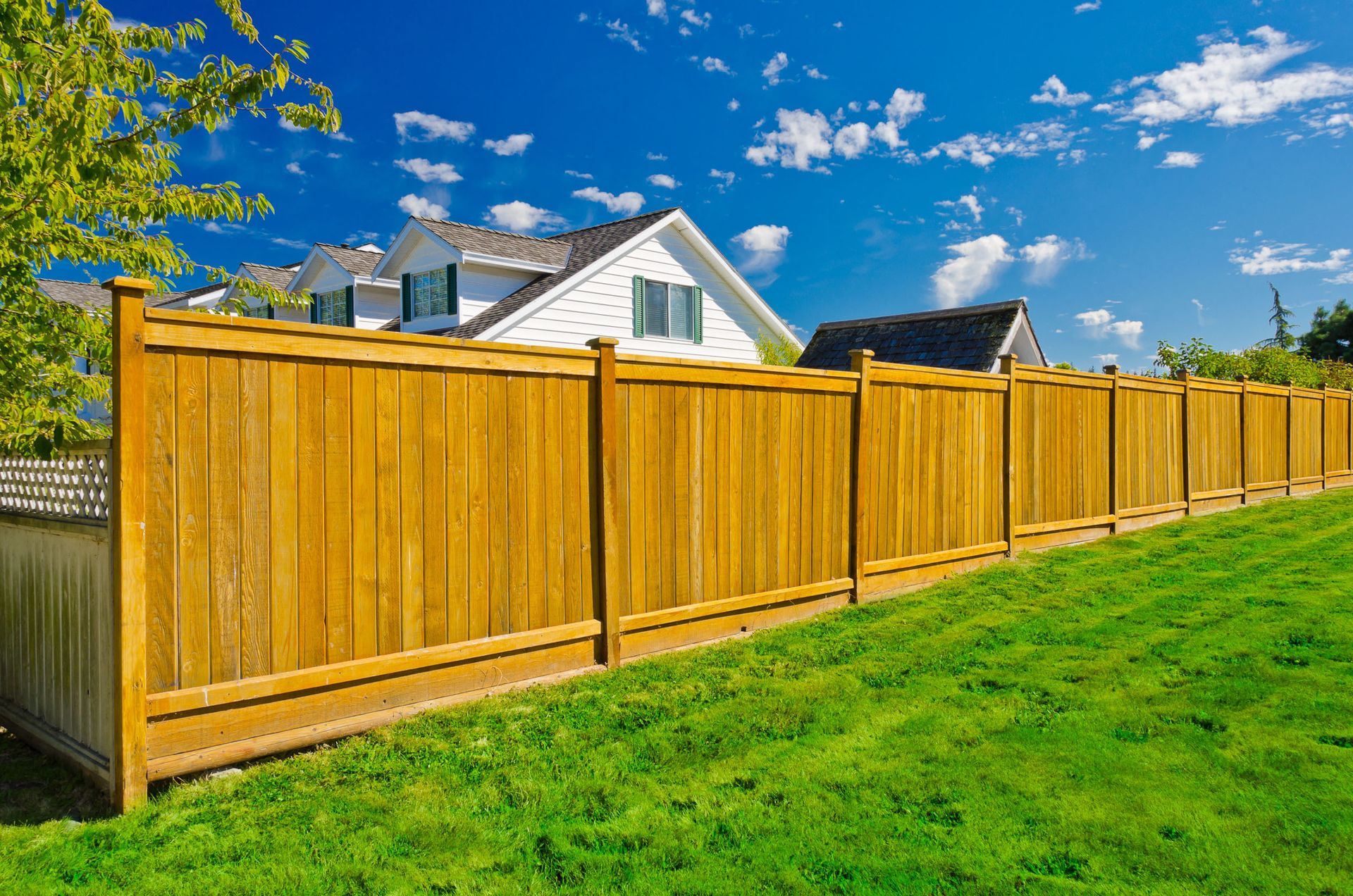
Wooden fences are a popular choice due to their natural beauty and versatility. They can be painted or stained to match your home’s aesthetics and can provide a rustic charm that complements various landscapes. One of the main advantages of wood is its affordability, making it a cost-effective option for many homeowners. However, they do require regular maintenance to prevent rot and insect damage, which can be a downside for some homeowners. Despite these challenges, a well-maintained wooden fence can last for many years while providing excellent privacy.
Maintenance includes occasional painting or staining and repairing damaged sections promptly. Wood fences are also vulnerable to weather conditions, which can cause warping or cracking over time. To extend the lifespan of your wood fence, it's crucial to apply protective treatments and conduct routine inspections. In terms of privacy, wood fences can be built to a height that enhances seclusion, with designs like board-on-board offering no gaps between slats. Overall, wood fences continue to be a classic choice for homeowners seeking a balance of aesthetics and functionality.
While aesthetics are a strong point for wood fences, considerations about longevity cannot be overlooked. Homeowners must weigh the initial cost savings against the potential for higher long-term maintenance costs. Another critical factor is ensuring proper installation, as incorrect techniques can lead to structural issues or premature deterioration. Despite these considerations, many homeowners find that the beauty and traditional appeal of wood fences outweigh the challenges involved. With the right care, these fences can provide excellent privacy and serve as a stunning addition to any home exterior.
2. Vinyl Fences: Durability and Maintenance
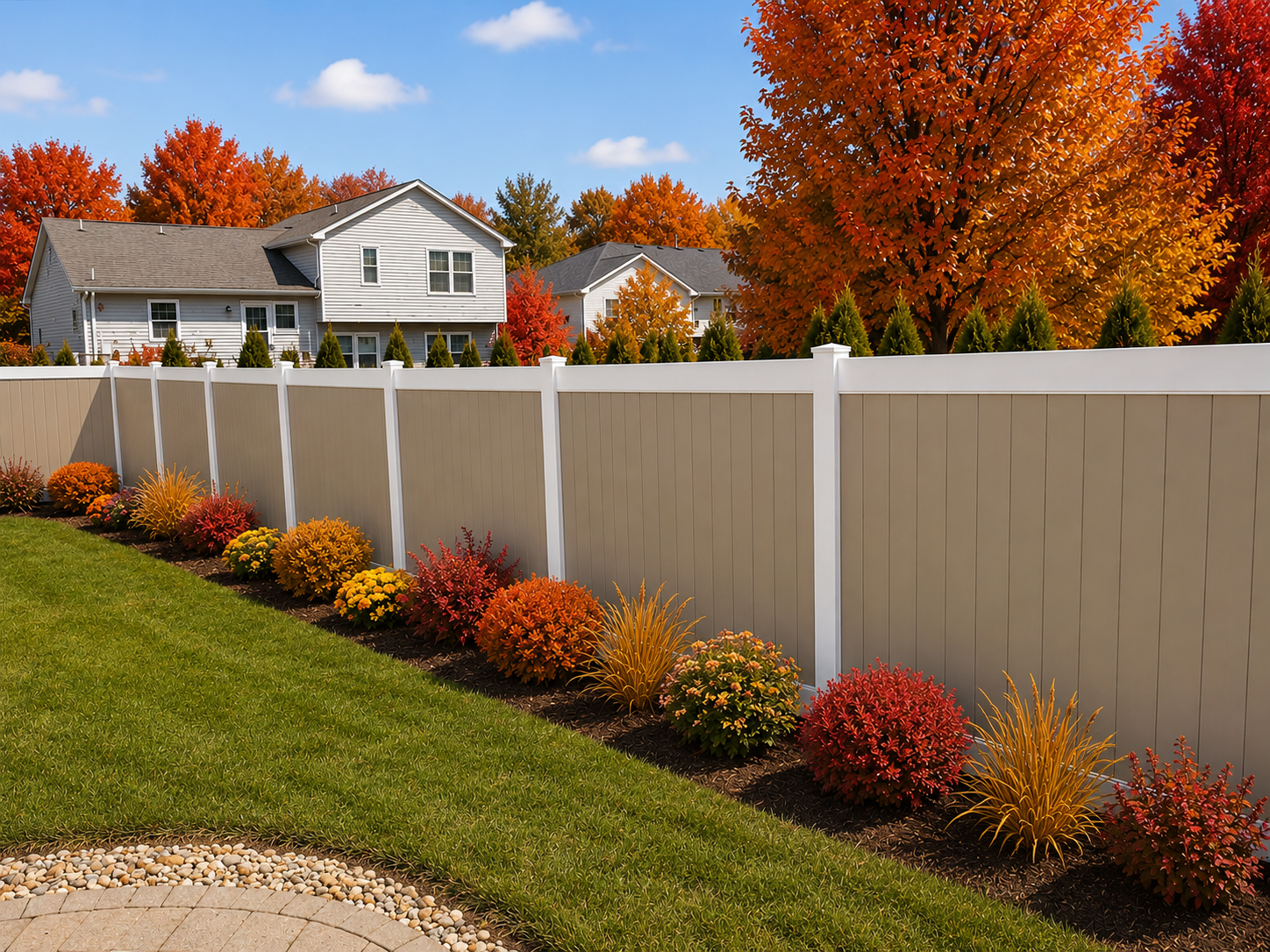
Vinyl fences are known for their durability and low-maintenance characteristics. Unlike wood, vinyl won't rot, blister, or require repainting, making it an appealing option for homeowners seeking ease of care. Vinyl is a strong and flexible material, able to withstand harsh weather conditions better than some other materials. Additionally, vinyl fences are available in a variety of colors and styles, allowing for customization to fit most landscape designs. They tend to have a higher upfront cost but offer longevity that can make them a valuable investment over time.
One of the significant advantages of vinyl is its resistance to pests and mold, factors that contribute to the material's long-lasting nature. The occasional cleaning with soap and water is generally sufficient to keep vinyl looking new, which further adds to its appeal for busy homeowners. Though installation can be more complicated than wood, resulting in higher initial costs, the long-term savings on maintenance can offset these expenses. Vinyl's versatility extends to privacy and soundproofing, as solid panel designs can offer complete seclusion. As a result, vinyl remains a popular choice for those valuing both durability and ease of upkeep.
While vinyl's benefits are considerable, it's essential to consider its potential drawbacks, including a less natural appearance compared to wood. Some homeowners may find that vinyl lacks the warmth and character of traditional wooden fences. Furthermore, repairing vinyl can be trickier, often requiring panel replacements rather than simple fixes. Despite these considerations, vinyl fences' longevity and minimal maintenance requirements make them an attractive option for nearly any homeowner. When correctly installed, a vinyl privacy fence can serve as a durable and attractive boundary for many years.
3. Metal Fences: Strength and Security
Metal fences, manufactured from materials like aluminum, steel, and wrought iron, offer unmatched strength and security. Often favored for their durability, metal fences are suitable for homeowners prioritizing security and longevity. Aluminum, for instance, is a popular choice due to its resistance to rust, making it ideal for wet climates. Wrought iron, known for its decorative appeal, provides strong and secure barriers with an elegant look. With proper maintenance, metal fences can last decades, providing a worthwhile return on investment for their sometimes higher initial cost.
One of the significant attributes of metal fences is their versatility in style and design. They can be powder-coated in various colors, blending with the existing landscape while enhancing home security. Although prone to rust and corrosion, modern treatments and coatings can mitigate these issues, extending the lifespan of your fence. Metal fences are often considered for areas where security needs are paramount, with their robust structures acting as a strong deterrent to trespassers. By combining durability with aesthetic customization, metal fences continue to be a secure and visually appealing boundary choice for many homeowners.
Despite their strength, certain types of metal fences may offer less privacy due to their open designs. Solutions such as adding plants or privacy slats can enhance the seclusion these fences provide. Installation of a metal fence can be complex and may require specialized skills, contributing to higher labor costs. However, considering their longevity and low long-term maintenance needs, metal fences remain a prudent choice for those seeking strong and reliable barriers. When installed and maintained correctly, they effectively offer the double benefit of security and style.
4. Composite Fences: A Sustainable Choice
Composite fencing offers an environmentally friendly alternative to traditional fence materials. Comprised of recycled wood fibers and plastic, composites provide the appearance of wood with the durability and low maintenance of plastic. As a sustainable option, composite fences help reduce waste by utilizing materials that would otherwise be landfill-bound. Composite fencing boasts impressive resistance to rot and insect damage, requiring little maintenance aside from occasional cleaning. Though costlier upfront, the material's durability often yields savings over time, making it a cost-effective long-term solution.
One of the notable features of composite fences is their adaptability to various styles and colors, providing opportunities for personalized landscape harmony. Unlike wood, composite materials resist fading from sun exposure, maintaining their appearance throughout the seasons. Furthermore, composite fence boards are typically easy to replace if damaged, streamlining any necessary repairs. They also offer comparable privacy to traditional wood fences, with solid boards ensuring seclusion from prying eyes. As a newer material in the fence industry, composite continues to gain popularity for its sustainability and resilience.
When considering composite fences, it's important to assess the potential drawbacks, including the initial purchase price and temperature sensitivities. Some composites may expand or contract with temperature changes, so professional installation is recommended to manage these issues effectively. While composite may lack the natural feel of wood, many homeowners appreciate its eco-friendly and maintenance-free advantages. When installed by experienced professionals, composite fences can be a long-lasting and sustainable choice that enhances privacy while contributing to environmental conservation efforts. This balance of benefits positions composite as an appealing solution for many modern homeowners.
Efforts to reduce costs shouldn't compromise the quality and craftsmanship of the installation, a critical factor in a fence’s durability. Engaging with experienced professionals for both installation and advice can avert potential issues and enhance the lifespan of the fence. To achieve the best possible outcome, homeowners must approach the selection process holistically, considering both tangible and intangible aspects such as aesthetics, security, and environmental impact. In doing so, they can ensure their privacy fence complements their home while providing enduring protection and satisfaction. According to Ergeon, the standard privacy fence is somewhere between six and eight feet tall. The right choice will enhance not only the home's value but also daily enjoyment and peace of mind. Be sure to reach out to Complete Fence today to learn more about our professional fencing installation!